
hawaiiantikimugs
ผู้เยี่ยมชม
info@hawaiiantikimugs.com
Tiki Mugs: History, Styles, and How to Start Collecting Them (6 อ่าน)
16 พ.ย. 2569 07:44
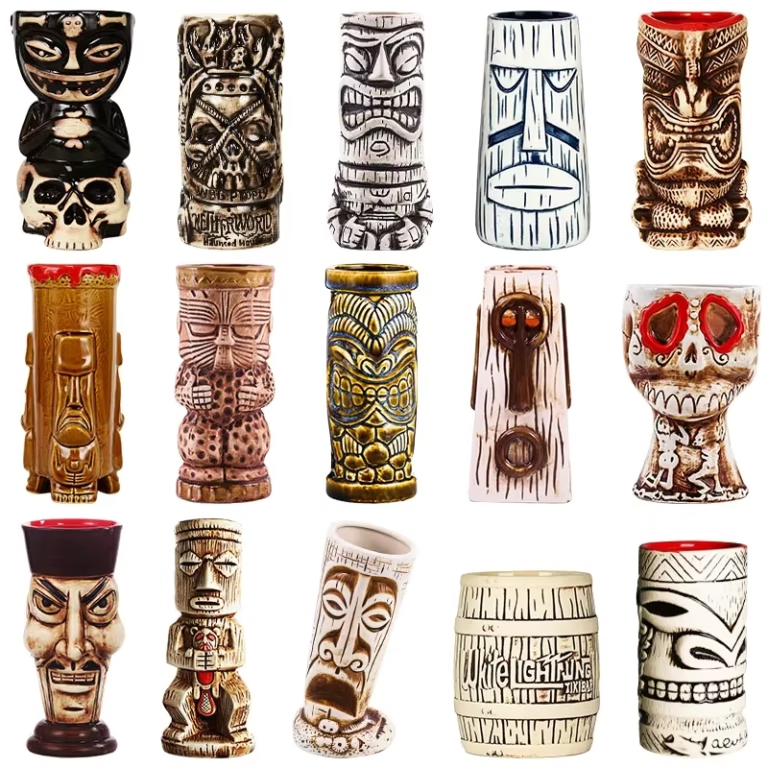
Hawaiiantikimugs.Com are more than just fun cocktail glasses—they’re icons of mid-century pop culture, highly collectible art pieces, and essential props for any tropical-themed bar. Whether you’re a home bartender, a tiki bar owner, or a vintage collector, understanding tiki mugs will help you appreciate their history, value, and appeal.
## What Is a Tiki Mug?
A tiki mug is a typically ceramic drinking vessel used to serve tropical or Polynesian-style cocktails. Most tiki mugs:
- Are made from glazed ceramic (sometimes glass, wood, or metal)
- Feature carved or sculpted faces inspired by Polynesian, Oceanic, or fantasy “tiki” imagery
- Are larger than standard cocktail glasses, often 12–20 oz or more
- Are used for drinks like Mai Tais, Zombies, Painkillers, and other exotic cocktails
Tiki mugs are both functional barware and decorative art, which is why they’ve become such a popular collectible category.
## The History of Tiki Mugs
### The Birth of Tiki Culture
Tiki culture in the United States began in the 1930s and 1940s, when bars and restaurants started drawing inspiration from romanticized ideas of the South Pacific. Two of the earliest pioneers were:
- **Don the Beachcomber** (Ernest Gantt), who opened in Los Angeles in 1933
- **Trader Vic’s** (Victor Bergeron), which expanded nationally in the 1940s and 1950s
These venues combined rum-heavy cocktails with bamboo décor, thatched roofs, and carved “tiki” figures. The mugs followed soon after as a way to enhance the fantasy and branding of each bar.
### Mid-Century Tiki Mug Boom (1950s–1970s)
By the 1950s and 1960s, tiki bars were common across the U.S., especially in California and along coastal cities. During this boom:
- Bars created **custom-branded mugs** featuring their logos and unique designs
- Pottery companies like **Orchids of Hawaii**, **Otagiri (OMC)**, and **Tiki Farm** (later) produced mugs for restaurants, hotels, and cruise lines
- Many mugs were given away as souvenirs when you ordered a specialty drink
This period produced many of the vintage mugs that collectors search for today.
### Decline and Revival
By the late 1970s and 1980s, tiki fell out of fashion, overshadowed by other bar trends. Many tiki bars closed, and their mugs were discarded, donated, or stored away.
In the late 1990s and early 2000s, a **tiki revival** began:
- Classic recipe books and cocktail historians helped resurrect original tiki drinks
- New tiki bars opened, honoring mid-century style while updating it with modern techniques
- Artists and small studios started producing **limited-edition tiki mugs**, often in collaboration with bars and rum brands
Today, tiki mugs are a thriving niche in both cocktail culture and collectibles.
## Common Types and Styles of Tiki Mugs
Tiki mugs come in countless shapes and styles, but they generally fall into a few recognizable categories.
### Classic “Tiki Face” Mugs
These mugs feature stylized faces, often with:
- Large eyes and mouths
- Geometric, totem-like features
- Bold glazes in browns, greens, or bright colors
They’re the simplest and most iconic type, frequently seen in vintage sets.
### Character and Figure Mugs
These show full figures or characters, such as:
- Hula dancers
- Warriors or tribal-style figures (often fantasy-based)
- Mythical creatures inspired by Polynesian motifs
Many modern artisan mugs take this approach, turning each mug into a small sculpture.
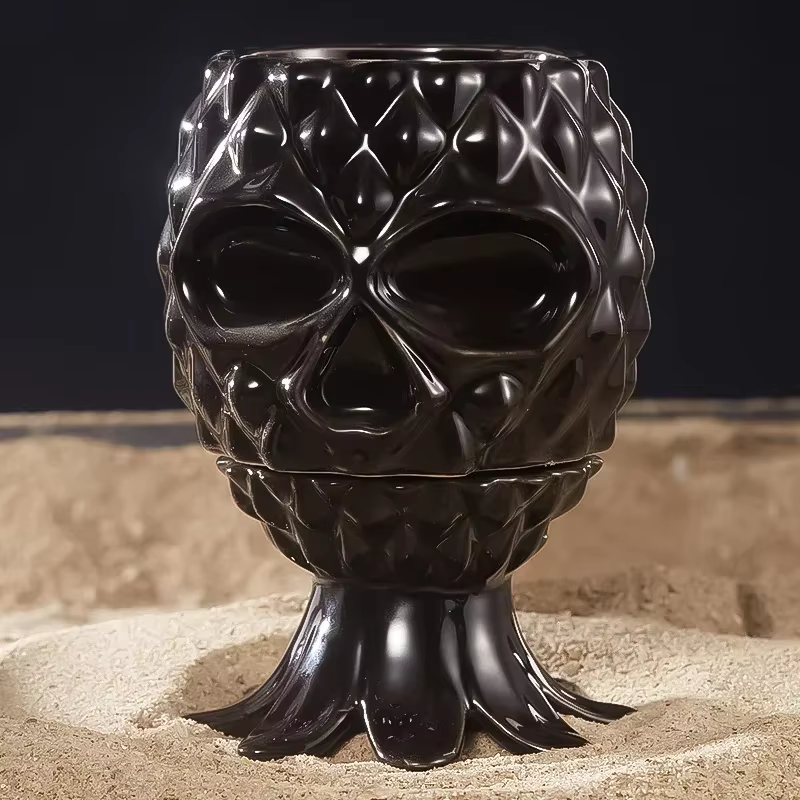
### Barrel, Skull, and Novelty Mugs
Some tiki mugs are playful or spooky:
- **Barrel mugs** for Grog and rum-heavy drinks
- **Skull mugs** for Zombies and Halloween themes
- **Animal mugs** (e.g., parrots, sharks, octopi) for specific drink concepts
These designs often appear in themed bars and seasonal releases.
### Branded and Restaurant Mugs
These mugs carry the logos of:
- Historic tiki bars (Trader Vic’s, Don the Beachcomber, Bali Hai, Mai-Kai)
- Modern bars and speakeasies
- Rum brands and distilleries
Branded mugs are especially collectible if they come from closed or legendary venues.
## How to Identify Vintage vs. Modern Tiki Mugs
If you’ve found a tiki mug in a thrift store or online, a few details can help you determine whether it’s vintage or modern.
### Markings and Stamps
Check the bottom of the mug for:
- Manufacturer marks (e.g., “Orchids of Hawaii,” “Otagiri Japan,” “Tiki Farm”)
- Bar or restaurant names
- Country of origin (Japan, USA, China, Mexico, etc.)
- Artist signatures or initials on modern, small-batch pieces
Vintage Tiki often have slightly worn or faded markings.
### Glaze and Weight
- **Vintage mugs**: often have heavier ceramic bodies and traditional color glazes (earth tones, simple colors). Glaze may show crazing (fine, hairline cracks in the surface).
- **Modern mugs**: may use brighter, more complex glaze finishes, metallic accents, or detailed texturing.
### Design Clues
- Very stylized mid-century shapes, especially tied to a known restaurant, are often vintage
- Highly detailed sculptural art pieces, limited numbered runs, and collaboration branding are more common in modern artisan mugs
Using image searches and online tiki mug databases can help confirm exact models.
## Why People Collect Tiki Mugs
Tiki mug collecting has grown into a dedicated hobby for several reasons:
- **Nostalgia**: They evoke mid-century vacations, Hawaiian kitsch, and classic “exotica” culture.
- **Art and Design**: Each mug is a piece of functional art, showcasing sculpture, glazing, and character design.
- **Rarity and Value**: Limited editions and vintage bar mugs can become highly sought after.
- **Cocktail Culture**: Home bartenders use tiki mugs to present drinks the way they were originally intended.
Collectors often focus on specific themes, such as:
- Mugs from a particular bar or city
- Mugs by a specific artist or manufacturer
- Only vintage, only modern, or a mix of both
## How to Start Your Tiki Mug Collection
### 1. Define Your Focus and Budget
Decide what appeals to you most:
- Vintage restaurant mugs
- Modern limited editions
- Skulls and novelty designs
- Specific bars or artists
Set a budget—prices can range from a few dollars at a thrift shop to hundreds for rare pieces.
### 2. Learn the Basics
Research before you buy:
- Browse tiki forums and communities
- Check online mug databases and reference sites
- Learn common manufacturer names and marks
Knowing what you’re looking at helps you avoid overpaying for common pieces.
### 3. Where to Find Tiki Mugs
Good sources include:
- **Thrift stores and flea markets**: sometimes yield surprising vintage finds
- **Estate sales and garage sales**: especially in coastal or older suburban areas
- **Online marketplaces**: eBay, Etsy, and collector marketplaces
- **Tiki bars**: many modern tiki bars sell exclusive mugs tied to their signature cocktails
- **Tiki events and conventions**: gatherings often feature mug releases and artist booths
### 4. Check Condition Carefully
When buying, examine for:
- Chips, cracks, or repairs
- Glaze crazing (fine lines—not always a problem for collectors, but important to note)
- Fading logos or paint
- Stains or odors inside the mug
Condition strongly affects both the value and usability of a mug.
## How Much Are Ceramic Tiki Worth?
Tiki mug values vary widely based on:
- Rarity and limited edition status
- Demand among collectors
- Age and historical significance
- Condition and completeness (original box or packaging can add value)
Approximate ranges (subject to change and market trends):
- Common modern mugs: $15–$40
- Vintage restaurant mugs: $25–$150, depending on bar and scarcity
- Rare or highly sought-after mugs: $150–$500+
Checking recent sold listings on major marketplaces is the best way to gauge current value.
## How to Use Tiki Mugs for Cocktails
Tiki mugs are designed to enhance both presentation and experience.
### Best Drinks for Tiki Mugs
Popular cocktails served in tiki mugs include:
- Mai Tai
- Zombie
- Navy Grog
- Painkiller
- Jet Pilot
- Scorpion
- Pina Colada variations
Any multi-ingredient rum or tropical-style drink can be served in an appropriate mug.
### Presentation Tips
To get that authentic tiki-bar look:
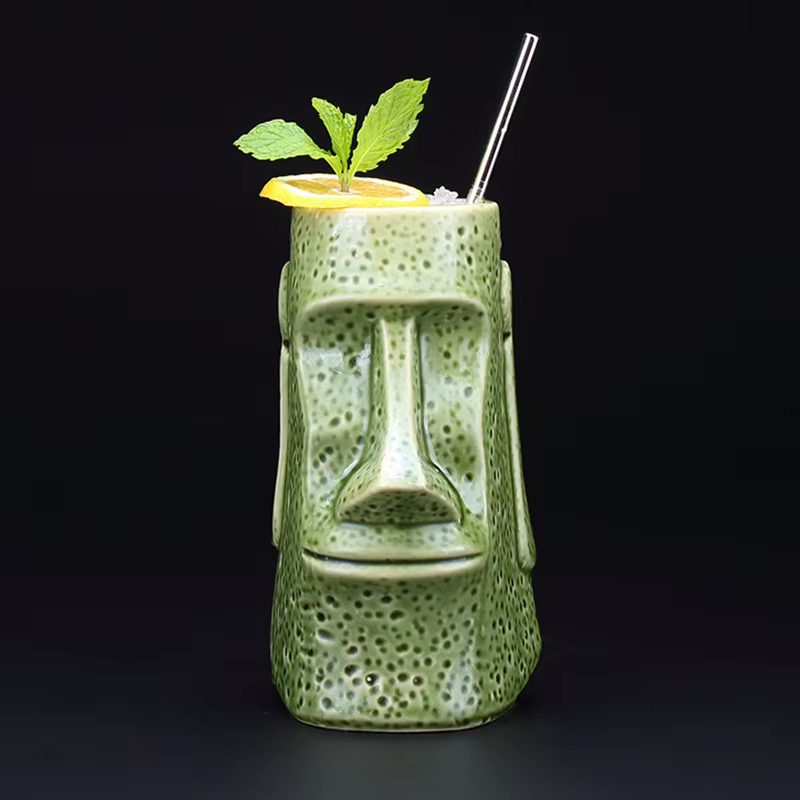
- Add **crushed ice** piled above the rim
- Garnish with **fresh mint**, citrus wheels, cherries, and pineapple fronds
- Use **bamboo or reusable straws**
- Include fun extras like cocktail umbrellas and swizzle sticks
The mug, garnish, and aroma all contribute to the immersive tiki experience.
## Caring for and Displaying Tiki Mugs
### Cleaning and Maintenance
- Hand-wash whenever possible, especially for vintage or delicate pieces
- Avoid harsh abrasives that can scratch the glaze or remove paint
- Let mugs dry completely before shelving to prevent moisture damage
- Check for hidden cracks if you plan to serve hot drinks (most tiki mugs are best for cold beverages only)
### Display Ideas
Tiki mugs are highly decorative and can be displayed in:
- Open shelving behind a home bar
- Glass-front cabinets with lighting
- Themed “tiki rooms” with bamboo and rattan décor
- Rotating shelves to feature seasonal or favorite designs
Keep them away from edges where they can be easily knocked over.
## Cultural Sensitivity and Tiki Design
Modern tiki culture is increasingly aware of cultural context. The word “tiki” originally refers to Māori and Polynesian ancestral figures and deities. Contemporary tiki mugs and bars often draw loosely on these motifs, sometimes in exaggerated or fictional forms.
To approach tiki respectfully:
- Recognize the difference between historical Polynesian cultures and mid-century fantasy tiki décor
- Support artists and venues that acknowledge these roots and avoid caricatures or stereotypes
- Consider focusing on original, fantasy-based designs rather than direct imitations of sacred imagery
Enjoying Tiki Bar Mugs can go hand-in-hand with learning about and respecting real Pacific Island cultures.
## Conclusion
Tiki mugs sit at the crossroads of cocktail history, mid-century design, and modern collecting. From vintage restaurant souvenirs to today’s artist-sculpted limited editions, they offer:
- Unique drink presentation
- Rich historical connections
- A rewarding, visually striking collectible hobby
Whether you’re mixing a classic Zombie at home or hunting for a rare mid-century mug, understanding the history, types, and care of tiki mugs will help you build a collection that’s both beautiful and meaningful.
Email: info@hawaiiantikimugs.com
209.135.20.172
hawaiiantikimugs
ผู้เยี่ยมชม
info@hawaiiantikimugs.com